A clear and practical guide to choosing the right tyres for Indian road conditions
Tyres don’t usually get much attention until something goes wrong, but they influence almost everything about the way your car behaves. How well it grips in the rain, how quickly it brakes, how comfortable the ride feels, and even how much fuel it consumes — all of it depends heavily on the tyres you use. This becomes even more important in India, where road surfaces change constantly and seasonal weather adds its own challenges.
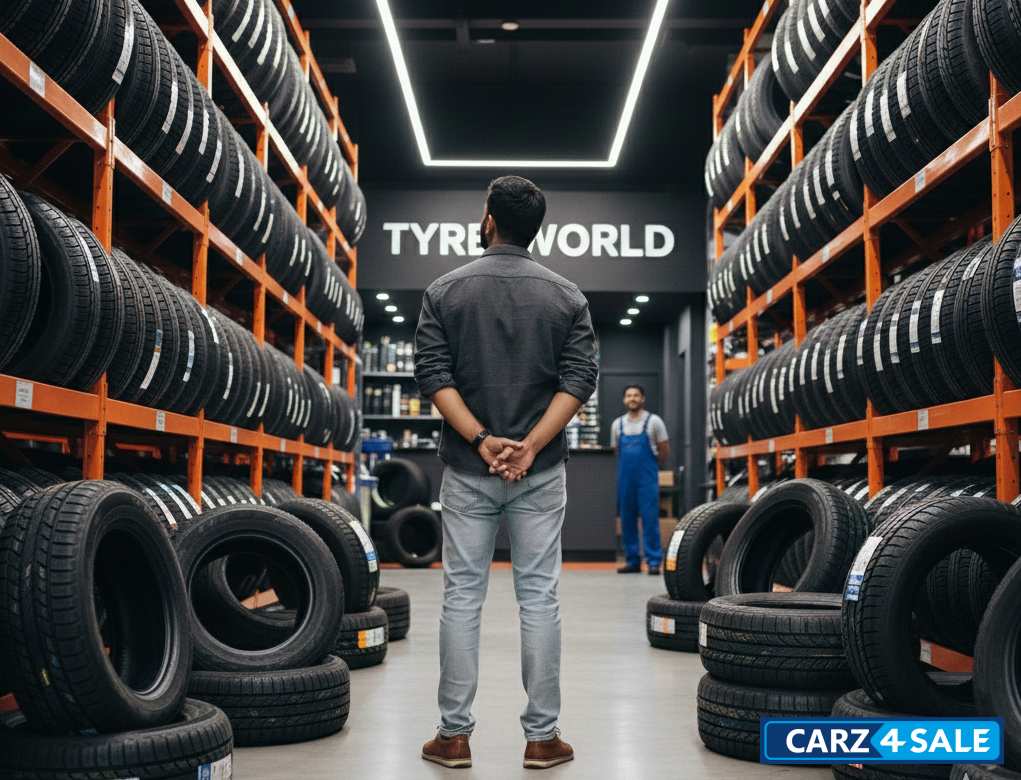
If you're planning to replace your tyres or simply want to understand what works best for Indian conditions, this guide walks you through the essentials in a simple and practical way.
Table of Contents
• What Type of Tyres Work Best for Indian Cars?
• How to Choose the Right Tyres for Your Car
• What to Check Before You Buy New Tyres
• Good Tyre Options for Indian Road Conditions
• Things to Be Careful About When Buying New Tyres
• Summary
India doesn’t have the luxury of consistently smooth roads. Most drivers face a mix of patched tarmac, concrete sections, potholes, gravel stretches, heat, and heavy monsoon rain. Because of that, the tyres that perform best here usually combine durability with confident grip and dependable braking.
For everyday cars like hatchbacks, sedans, and compact SUVs, all-season radial tyres are usually the most balanced option. They handle city commutes, sudden potholes, and long highway runs reasonably well. Drivers who own SUVs or frequently travel on rougher patches often benefit from tyres with stronger sidewalls or light all-terrain patterns that resist cuts and punctures better.
In short, the “best” tyres are the ones that can handle mixed surfaces while remaining stable in both dry and wet conditions — something Indian drivers encounter daily.
One mistake many car owners make is choosing tyres based on price alone. But the right tyre depends on the car you own, where you drive, and how you drive.
The first step is always the size. Every car has a recommended tyre size printed on the door frame or in the manual. Staying close to this size ensures the suspension, steering feel, and mileage stay within what the manufacturer intended.
After that, it helps to think about what you want most from your car:
• If you prefer a quiet and smooth ride, comfort-focused tyres with softer compounds work well.
• If long tyre life and fuel efficiency are more important, choose harder-compound tyres.
• If you enjoy stronger grip or quicker responses, performance-oriented tyres are a better match.
Where you drive matters just as much. City drivers need tyres that last long and stay stable during sudden braking. Highway drivers should focus on wet braking and high-speed stability. Those who often deal with broken roads or rural conditions need stronger sidewalls and treads designed to resist cuts.
Once you narrow down what matters most to you, choosing a tyre becomes far easier.
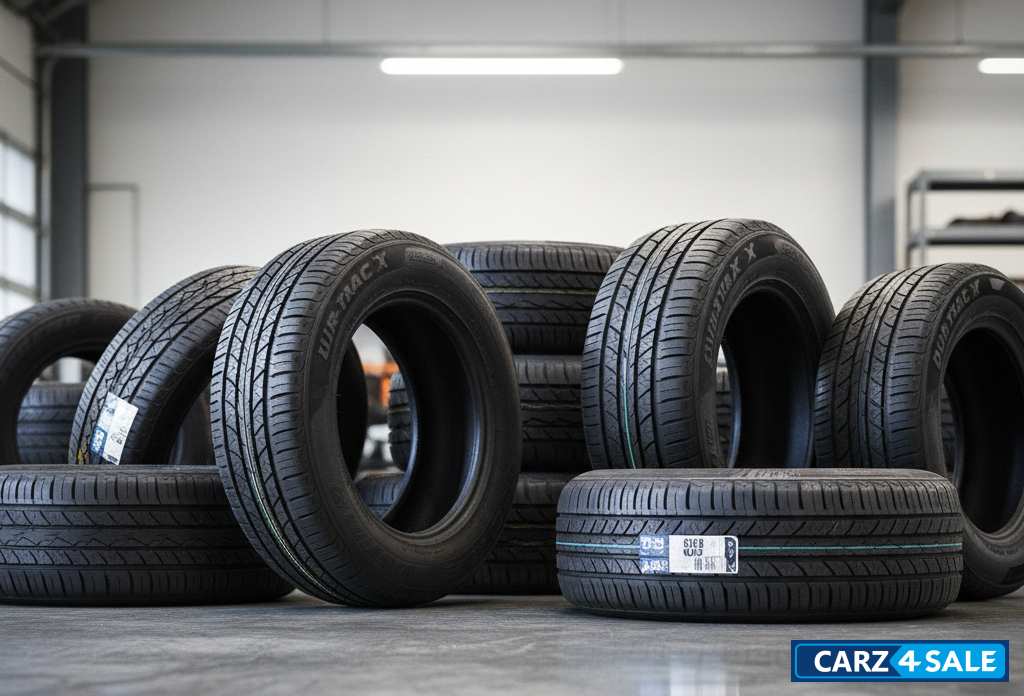
A tyre may look simple, but it carries a lot of engineering behind it. Before you make a final decision, pay attention to a few key details that influence long-term performance.
1. Tread Pattern
The way a tyre’s grooves are shaped decides how well it disperses water, how it grips during cornering, and how quiet it runs.
• Symmetrical patterns are best for mileage and everyday use.
• Asymmetrical patterns offer better grip and stability.
• Directional patterns shine in wet weather and at highway speeds.
Most Indian drivers benefit from asymmetrical or directional designs because they handle monsoon roads more confidently.
2. Tyre Compound
Soft compounds grip better but wear faster. Harder compounds last longer but feel slightly less responsive. Many modern tyres try to balance both, giving good wet grip without compromising tread life.
3. Load and Speed Rating
This rating tells you how much weight the tyre can safely carry and the maximum speed it is tested for.
For example:
• 91H → Load index 91 (can carry 615 kg per tyre) and speed rating H (up to 210 km/h)
• 95V → Load index 95 (can carry 690 kg per tyre) and speed rating V (up to 240 km/h)
Choosing a tyre with equal or higher ratings than your car’s recommended values ensures safe performance.
Sidewall Strength
Potholes are a reality in India, so tyres with reinforced sidewalls are usually worth the extra money. They reduce the chances of bulging or cuts when you hit sharp edges.
Warranty and Brand Reputation
Tyres are long-term products. A brand with a strong service network and a clear warranty policy makes a real difference if you ever face defects or unusual wear.
Below is a simple table that makes it easier to compare tyre categories and recommended models for different types of cars.
You can still mention these models in paragraph format below the table if you want (optional), but the table alone keeps it clean and easy for readers to skim.
Even when you’ve chosen the right tyre model, there are a few last checks that can save you future trouble.
Always check the manufacturing date (the DOT code). Fresh stock is ideal, and anything older than a year is usually not recommended unless heavily discounted. Stick to authorised dealers to avoid counterfeit products. When fitting new tyres, get the wheel alignment and balancing done immediately — skipping this causes uneven wear and poor steering feel.
It also helps to pay attention to tyre noise, especially if you drive long distances. Some tread patterns are inherently quieter than others. Finally, make sure the tyre you choose works well with your car’s recommended pressure range so it performs as intended.
Choosing the best tyres for Indian roads isn’t about picking the most expensive model. It’s about understanding your car, your daily routes, and the kind of performance you value. A tyre that suits your driving environment can make your car feel safer, smoother, and more predictable — whether it’s crawling through traffic, cruising on the expressway, or navigating broken monsoon roads.
Good tyres are one of the simplest ways to improve your car’s overall safety and comfort. Spending a little time choosing them wisely always pays off.
If you're planning to replace your tyres or simply want to understand what works best for Indian conditions, this guide walks you through the essentials in a simple and practical way.
Table of Contents
• What Type of Tyres Work Best for Indian Cars?
• How to Choose the Right Tyres for Your Car
• What to Check Before You Buy New Tyres
• Good Tyre Options for Indian Road Conditions
• Things to Be Careful About When Buying New Tyres
• Summary
What Type of Tyres Work Best for Indian Cars?
India doesn’t have the luxury of consistently smooth roads. Most drivers face a mix of patched tarmac, concrete sections, potholes, gravel stretches, heat, and heavy monsoon rain. Because of that, the tyres that perform best here usually combine durability with confident grip and dependable braking.
For everyday cars like hatchbacks, sedans, and compact SUVs, all-season radial tyres are usually the most balanced option. They handle city commutes, sudden potholes, and long highway runs reasonably well. Drivers who own SUVs or frequently travel on rougher patches often benefit from tyres with stronger sidewalls or light all-terrain patterns that resist cuts and punctures better.
In short, the “best” tyres are the ones that can handle mixed surfaces while remaining stable in both dry and wet conditions — something Indian drivers encounter daily.
How to Choose the Right Tyres for Your Car
One mistake many car owners make is choosing tyres based on price alone. But the right tyre depends on the car you own, where you drive, and how you drive.
The first step is always the size. Every car has a recommended tyre size printed on the door frame or in the manual. Staying close to this size ensures the suspension, steering feel, and mileage stay within what the manufacturer intended.
After that, it helps to think about what you want most from your car:
• If you prefer a quiet and smooth ride, comfort-focused tyres with softer compounds work well.
• If long tyre life and fuel efficiency are more important, choose harder-compound tyres.
• If you enjoy stronger grip or quicker responses, performance-oriented tyres are a better match.
Where you drive matters just as much. City drivers need tyres that last long and stay stable during sudden braking. Highway drivers should focus on wet braking and high-speed stability. Those who often deal with broken roads or rural conditions need stronger sidewalls and treads designed to resist cuts.
Once you narrow down what matters most to you, choosing a tyre becomes far easier.
What to Check Before You Buy New Tyres
A tyre may look simple, but it carries a lot of engineering behind it. Before you make a final decision, pay attention to a few key details that influence long-term performance.
1. Tread Pattern
The way a tyre’s grooves are shaped decides how well it disperses water, how it grips during cornering, and how quiet it runs.
• Symmetrical patterns are best for mileage and everyday use.
• Asymmetrical patterns offer better grip and stability.
• Directional patterns shine in wet weather and at highway speeds.
Most Indian drivers benefit from asymmetrical or directional designs because they handle monsoon roads more confidently.
2. Tyre Compound
Soft compounds grip better but wear faster. Harder compounds last longer but feel slightly less responsive. Many modern tyres try to balance both, giving good wet grip without compromising tread life.
3. Load and Speed Rating
This rating tells you how much weight the tyre can safely carry and the maximum speed it is tested for.
For example:
• 91H → Load index 91 (can carry 615 kg per tyre) and speed rating H (up to 210 km/h)
• 95V → Load index 95 (can carry 690 kg per tyre) and speed rating V (up to 240 km/h)
Choosing a tyre with equal or higher ratings than your car’s recommended values ensures safe performance.
Sidewall Strength
Potholes are a reality in India, so tyres with reinforced sidewalls are usually worth the extra money. They reduce the chances of bulging or cuts when you hit sharp edges.
Warranty and Brand Reputation
Tyres are long-term products. A brand with a strong service network and a clear warranty policy makes a real difference if you ever face defects or unusual wear.
Good Tyre Options for Indian Road Conditions
Below is a simple table that makes it easier to compare tyre categories and recommended models for different types of cars.
| Vehicle Type | Popular Tyre Models | Why They Work Well |
|---|---|---|
| Hatchbacks & Sedans | MRF ZVTV / ZLX, Apollo Amazer / Alnac, Bridgestone Sturdo B-Series, Michelin Energy XM2+ | Durable, balanced grip, smooth ride, reliable wet performance |
| Compact & Mid-Size SUVs | MRF Wanderer Street, Apollo Apterra H/T2, Bridgestone Dueler H/T, Michelin Primacy SUV | Strong sidewalls, highway stability, comfort, better control |
| Rough-Road / Light Off-Road Use | Yokohama Geolandar A/T, Ceat Czar A/T, BF Goodrich A/T | Extra traction, cut-resistant tread, handles broken roads easily |
You can still mention these models in paragraph format below the table if you want (optional), but the table alone keeps it clean and easy for readers to skim.
Things to Be Careful About When Buying New Tyres
Even when you’ve chosen the right tyre model, there are a few last checks that can save you future trouble.
Always check the manufacturing date (the DOT code). Fresh stock is ideal, and anything older than a year is usually not recommended unless heavily discounted. Stick to authorised dealers to avoid counterfeit products. When fitting new tyres, get the wheel alignment and balancing done immediately — skipping this causes uneven wear and poor steering feel.
It also helps to pay attention to tyre noise, especially if you drive long distances. Some tread patterns are inherently quieter than others. Finally, make sure the tyre you choose works well with your car’s recommended pressure range so it performs as intended.
Summary
Choosing the best tyres for Indian roads isn’t about picking the most expensive model. It’s about understanding your car, your daily routes, and the kind of performance you value. A tyre that suits your driving environment can make your car feel safer, smoother, and more predictable — whether it’s crawling through traffic, cruising on the expressway, or navigating broken monsoon roads.
Good tyres are one of the simplest ways to improve your car’s overall safety and comfort. Spending a little time choosing them wisely always pays off.