The switch from E10 to E20 petrol is here. Here’s what it means for your vehicle, your wallet, and the future of India
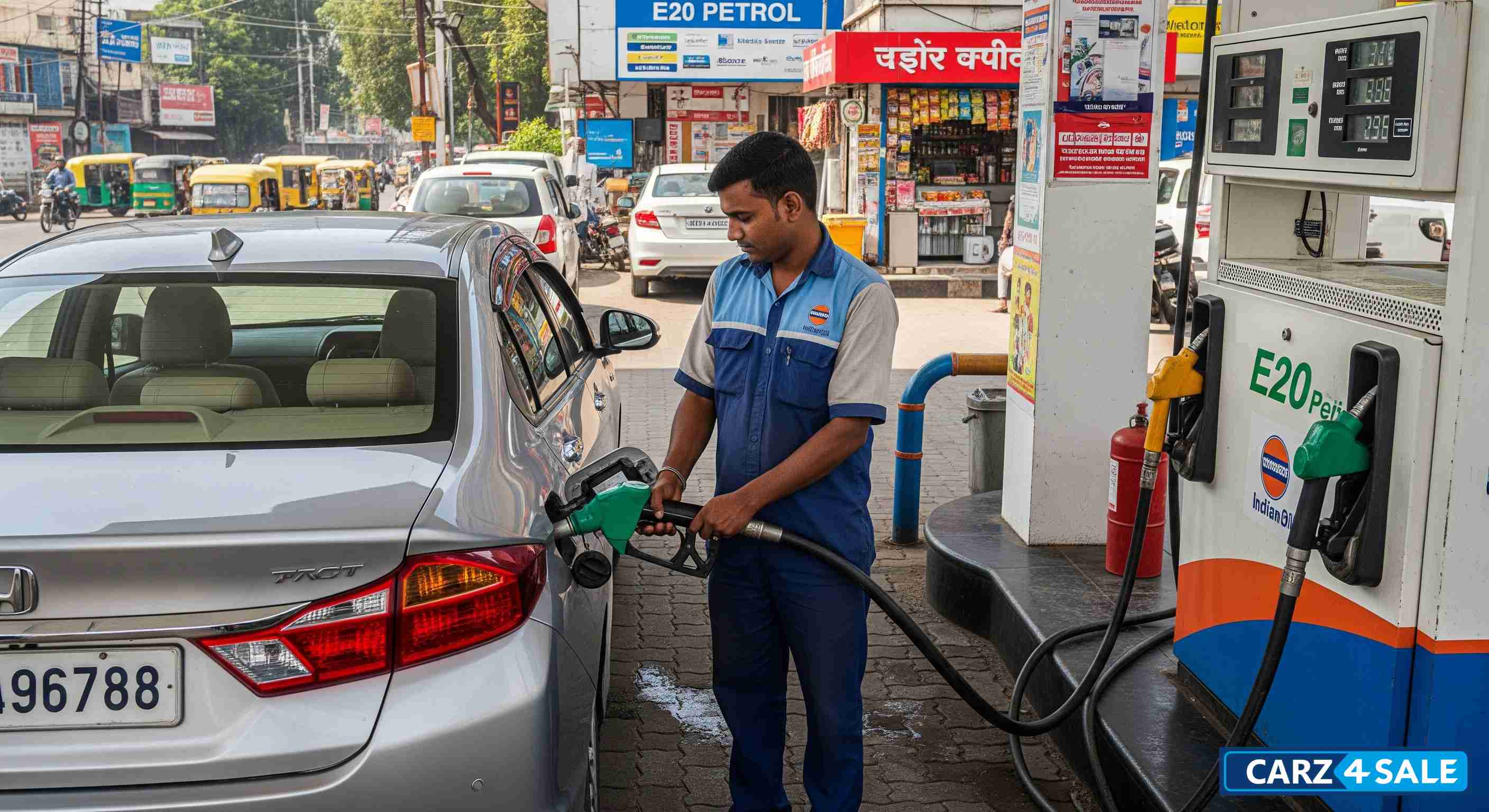
From E10 to E20: A Fuel Revolution
Remember when you used to fill up your car with plain petrol? Things have been changing, and now, it's becoming common to see "E20" at the pump. This isn’t just a new type of fuel; it's a major step in India's journey towards a greener, more self-reliant future. But what is E20 fuel, and why are we making this big switch from E10?
E10 fuel, which was the standard for a while, is a blend of 10% ethanol and 90% petrol. E20 takes that a step further, with a mix of 20% ethanol and 80% petrol. This isn't just about a few extra drops of ethanol. This new blend is at the heart of the government's push to reduce our dependence on imported crude oil and tackle climate change.
The Big Why: Saving Money and the Planet
So, why are we seeing E20 fuel everywhere? The reasons are pretty big-picture.
First, there's the economic side. India imports a huge amount of crude oil, which costs the country a lot of money in foreign exchange. By using more domestically produced ethanol—which comes from things like sugarcane, maize, and rice—we can cut down on those expensive imports. The government estimates this could save billions of dollars every year, and that money can be used for other things.
Second, it’s about the environment. Ethanol is a biofuel, and it burns cleaner than traditional petrol. This means E20 fuel can help reduce greenhouse gas emissions like carbon dioxide and carbon monoxide, which are major contributors to air pollution and climate change. It's a key part of India's commitment to a more sustainable future.
The Mileage Mystery and Other Worries
While the benefits for the country are clear, many car owners have been a little worried. The most common question on everyone’s mind is: "Will E20 fuel hurt my car?" and "What about my fuel efficiency?" These are fair questions.
The government and auto industry experts have acknowledged that there might be a small drop in fuel efficiency. According to a 2021 NITI Aayog report, this could be anywhere from 2% to 6% depending on your vehicle. The reason is that ethanol has a slightly lower energy density compared to petrol. So, you're using a bit more fuel to get the same power. This has caused some frustration for drivers, especially since the price of E20 hasn't gone down to compensate for the mileage drop, as was once recommended.
There have also been concerns about engine and fuel system damage. Ethanol is known to be more corrosive than petrol and can attract moisture. For a long time, people have worried that this could harm fuel lines, gaskets, and other rubber and plastic parts in older cars. However, the government and manufacturers have stated that modern vehicles manufactured after 2023 are designed to be fully E20 compliant, with reinforced parts that can handle the blend. For older cars, some experts suggest that proactive maintenance and component checks are a good idea. In fact, some manufacturers, like Maruti Suzuki, have even introduced a Customer Convenience Package (CCP) to give owners extra peace of mind, offering coverage against certain damages that could arise from using E20 fuel in non-compliant models.
The debate even went to the Supreme Court, with a Public Interest Litigation (PIL) arguing that consumers should have a choice and that there should be clearer labeling at fuel stations. However, the court dismissed the plea, backing the government's policy and confirming that the E20 push is here to stay.
The Road Ahead: What You Need to Know
The transition to E20 is a reality, and it's a massive step for a country the size of India. While there are some short-term bumps—like the mileage dip and concerns for older vehicles—the long-term benefits are substantial. The government is focused on boosting the rural economy by creating a greater demand for crops used to make ethanol, and on making India a global leader in biofuels.
For you, the driver, it's about being informed. If you have a new car, you're likely already good to go. If you have an older vehicle, it's wise to be mindful of its performance and keep up with your regular service schedule. The future of fuel in India is here, and it’s a lot greener and more homegrown than ever before.